№ 01
Three United States Patents
Original design and engineering of articulated doll joints — the unseen mechanism that gives life to a static doll.
№ 001 — Portfolio & Curriculum Vitae
Fabricator. Sculptor. Inventor. Founder of Lowtech. For more than three decades, Adam deFelice has transformed imagined objects into physical reality — from practical film effects and museum installations to patented articulation systems and collectible sculpture.
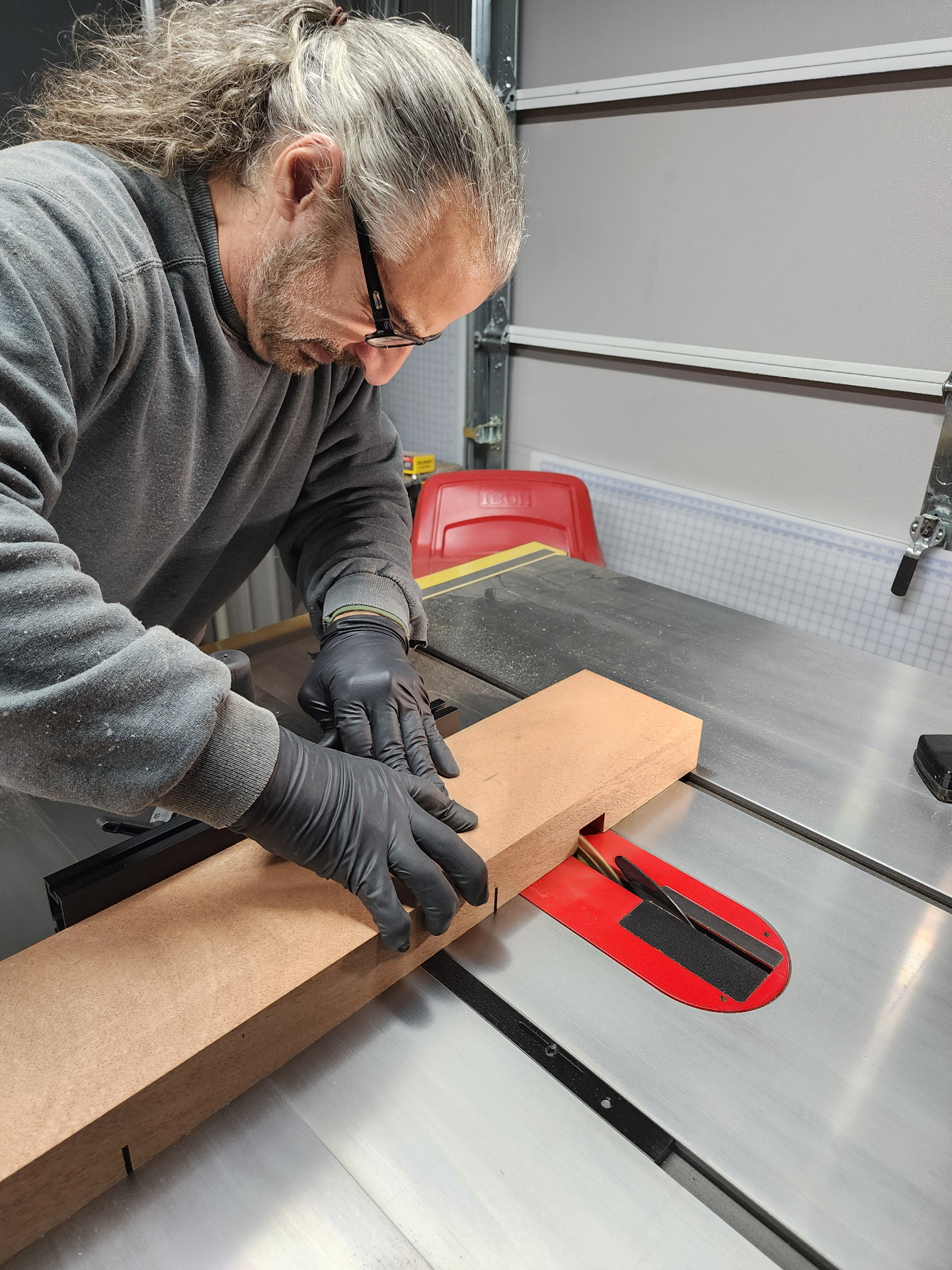
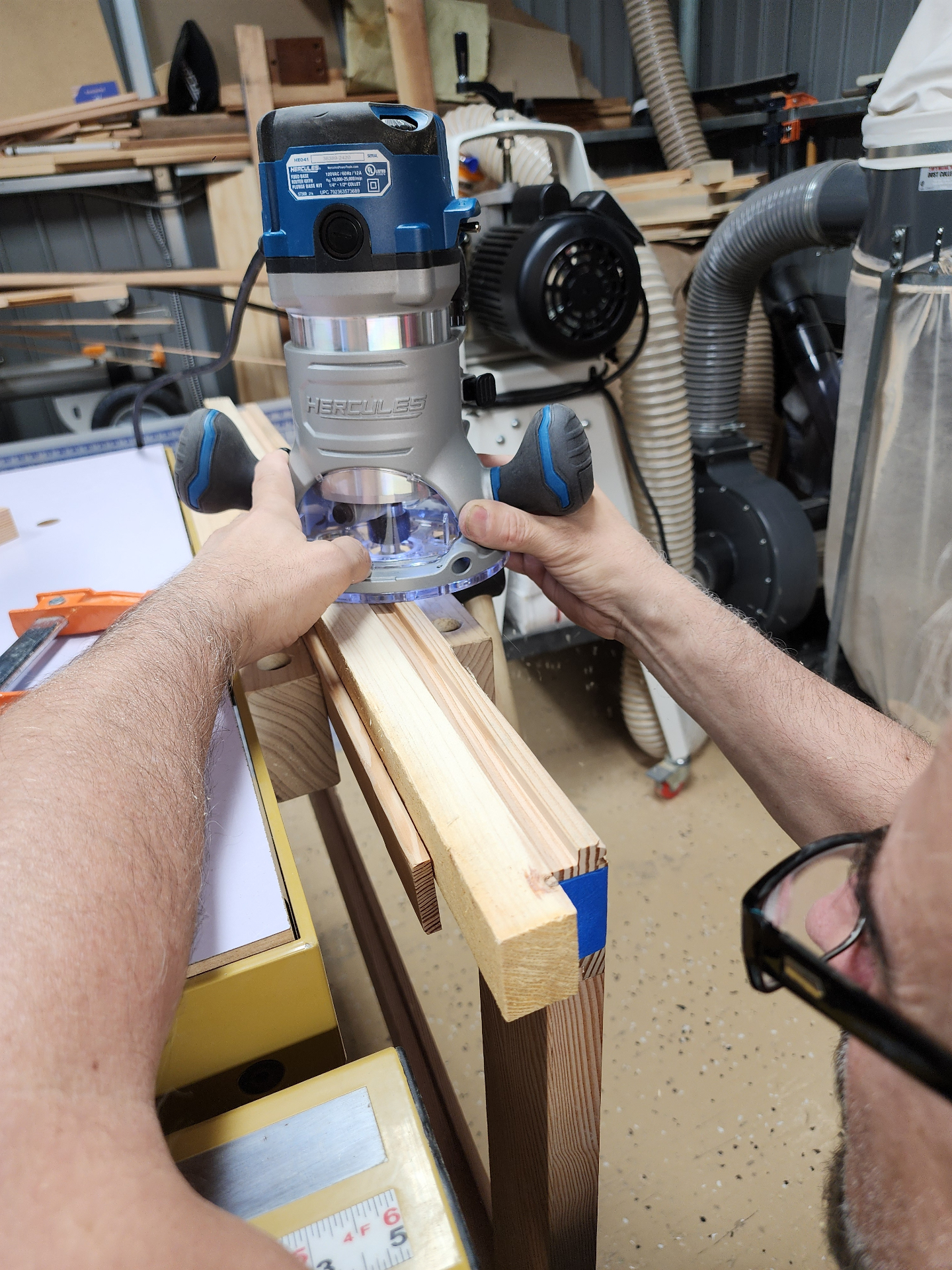
§ I — On the Maker
Adam's work transforms ideas into objects people can hold, use, wear, or believe. Trained at Pratt in directing, illustration, and film, he came west in 1988 and went straight onto the workbenches of the last great era of practical Hollywood effects — Total Recall, Back to the Future III, Gremlins 2.
In 1993 he founded Lowtech in Culver City and spent the next decade building props, miniatures and costumes for blockbusters and broadcast — managing crews, negotiating with directors, and personally fabricating the hero objects that ended up in the close-ups.
Mattel recruited him after Lowtech delivered the centerpiece of Mattel's Harry Potter licensing presentation: an eight-foot castle with a fully detailed interior and working moving features, built to sell the property in the room. The pitch helped secure the toy line. He has spent more than two decades inside Mattel since — developing products, inventing articulation systems, and earning three U.S. patents.
§ II — Selected Distinctions
№ 01
Original design and engineering of articulated doll joints — the unseen mechanism that gives life to a static doll.
№ 02
Stunt performer — pirate, knight — for Amblin and Universal during the same years he was building miniatures by day.
№ 03
Trained in directing, illustration and film before heading west in 1988 to the last great era of practical Hollywood effects.
Case Study · Stargate (1994)
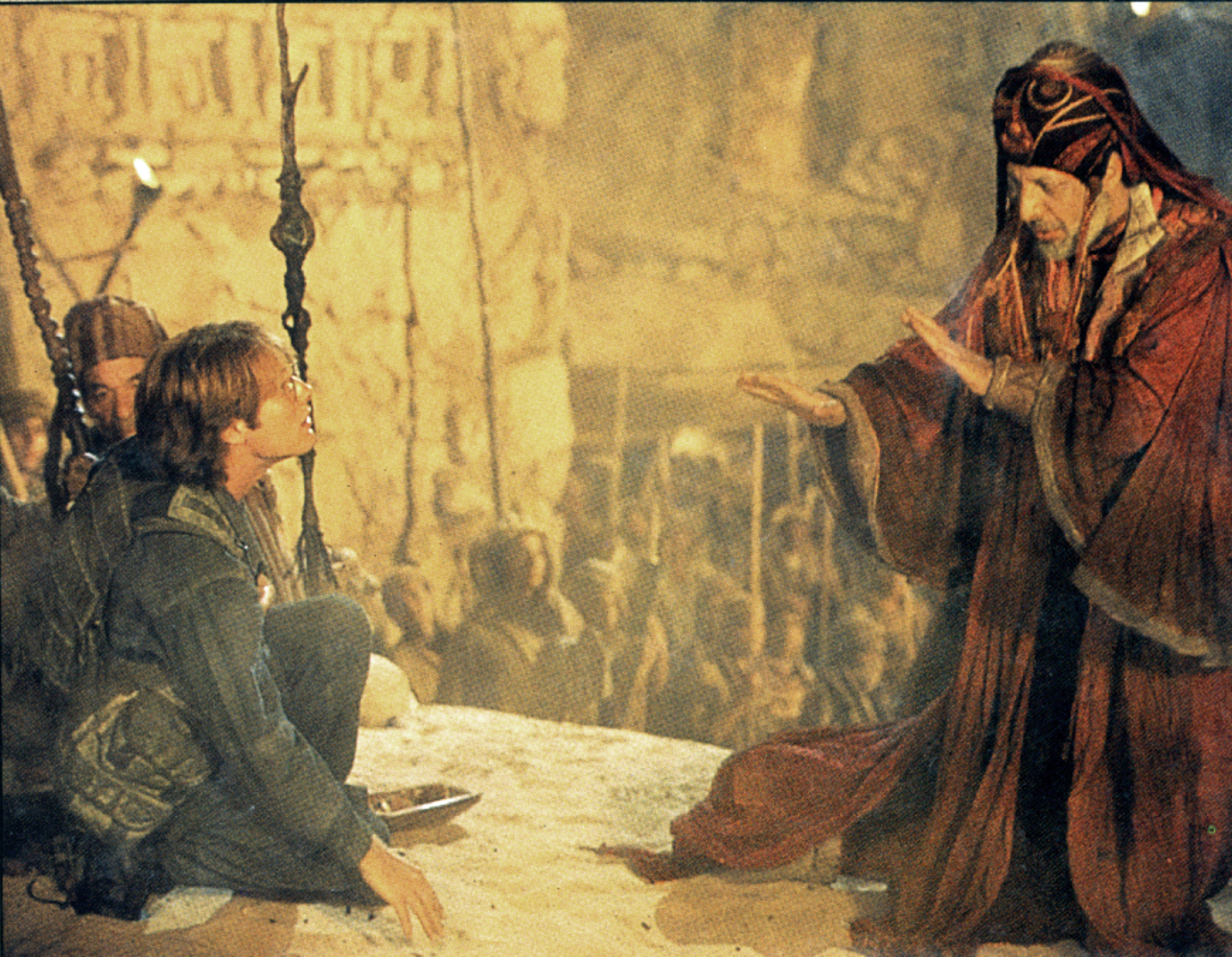
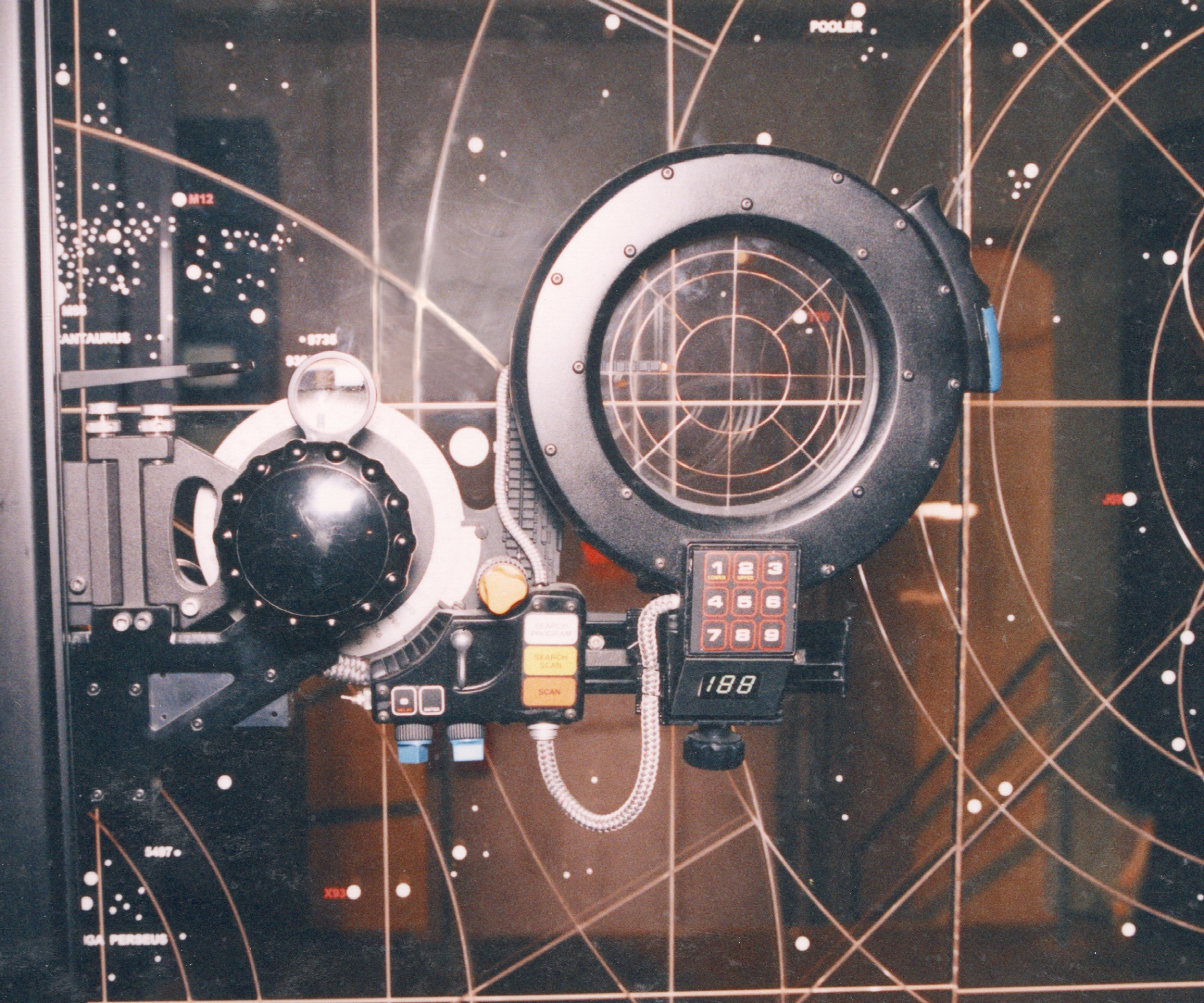
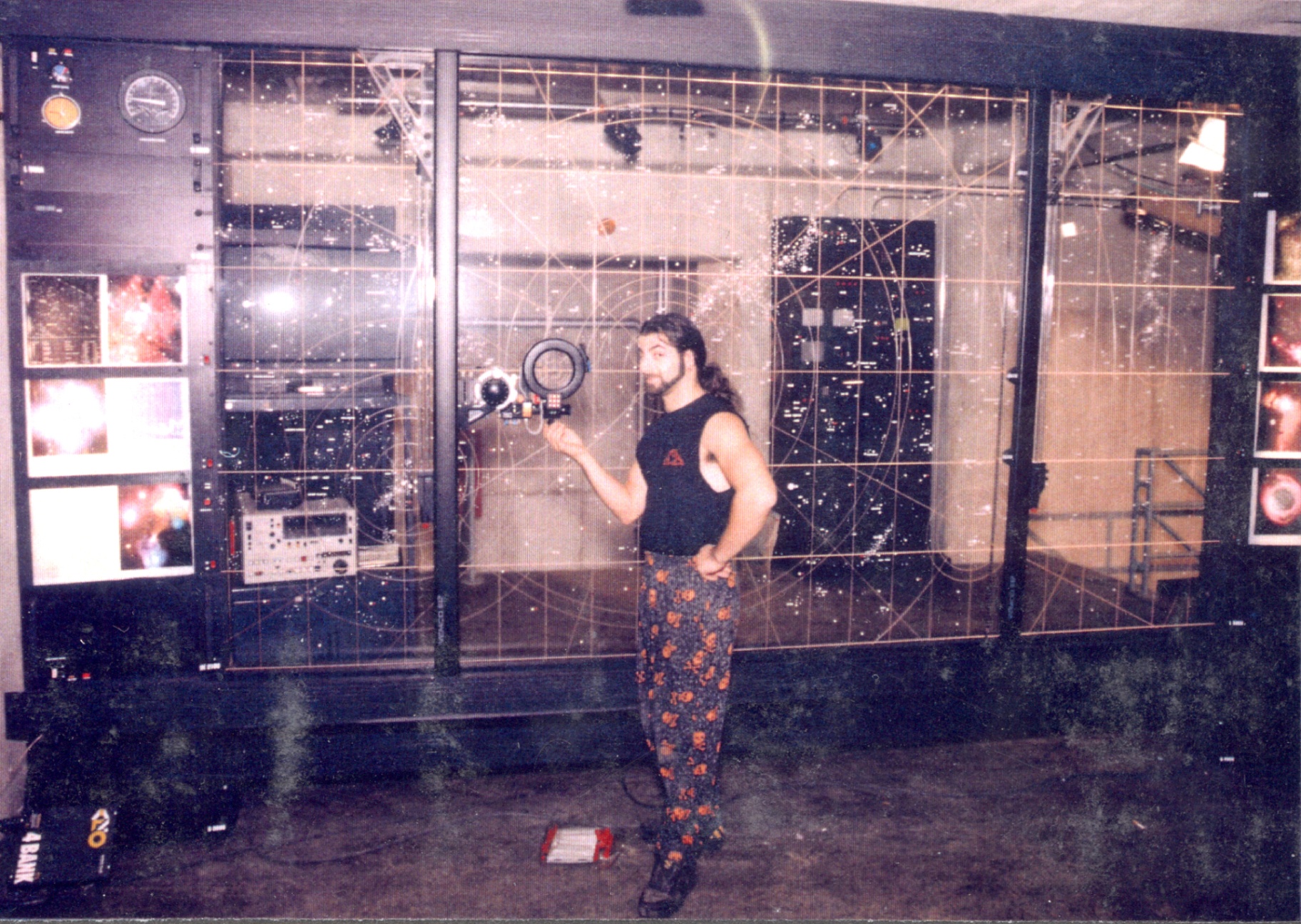
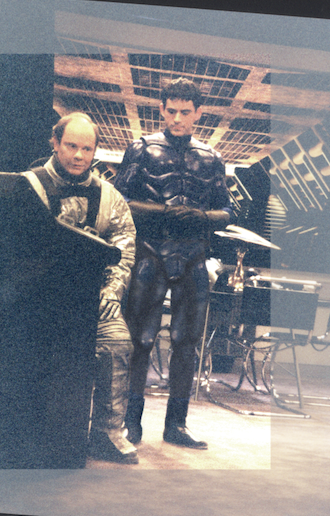
Roland Emmerich's Stargate ran on practical effects — physical objects, lit by physical lights, in front of a camera. Adam built dozens of props for the production: the ceremonial staff carried through Abydos, the star-map console Daniel Jackson stands before, mapping the location of the alien planet, axes, ritual combs carved to read as teeth and animal jawbone, gourd-form pitchers and drinking vessels for the Abydonian community.
The ceremonial staff was carved from multiple pieces of wood joined together, with resin castings standing in for jade. Erick Avari — lead actor of the Abydonian community — carried it through the entire film. The actor loved the prop and wielded it with gusto. Unfortunately, it was a delicate hero prop, not a stunt piece. During takes, he'd drive it majestically into the ground for emphasis—breaking it and sending it straight back to Adam for another repair before the cameras rolled again.
MGM · Practical Props · 1993 – 94

Spread · Scale
The star map: Sixteen feet of metal, plastic and rubber. Adam, for scale.
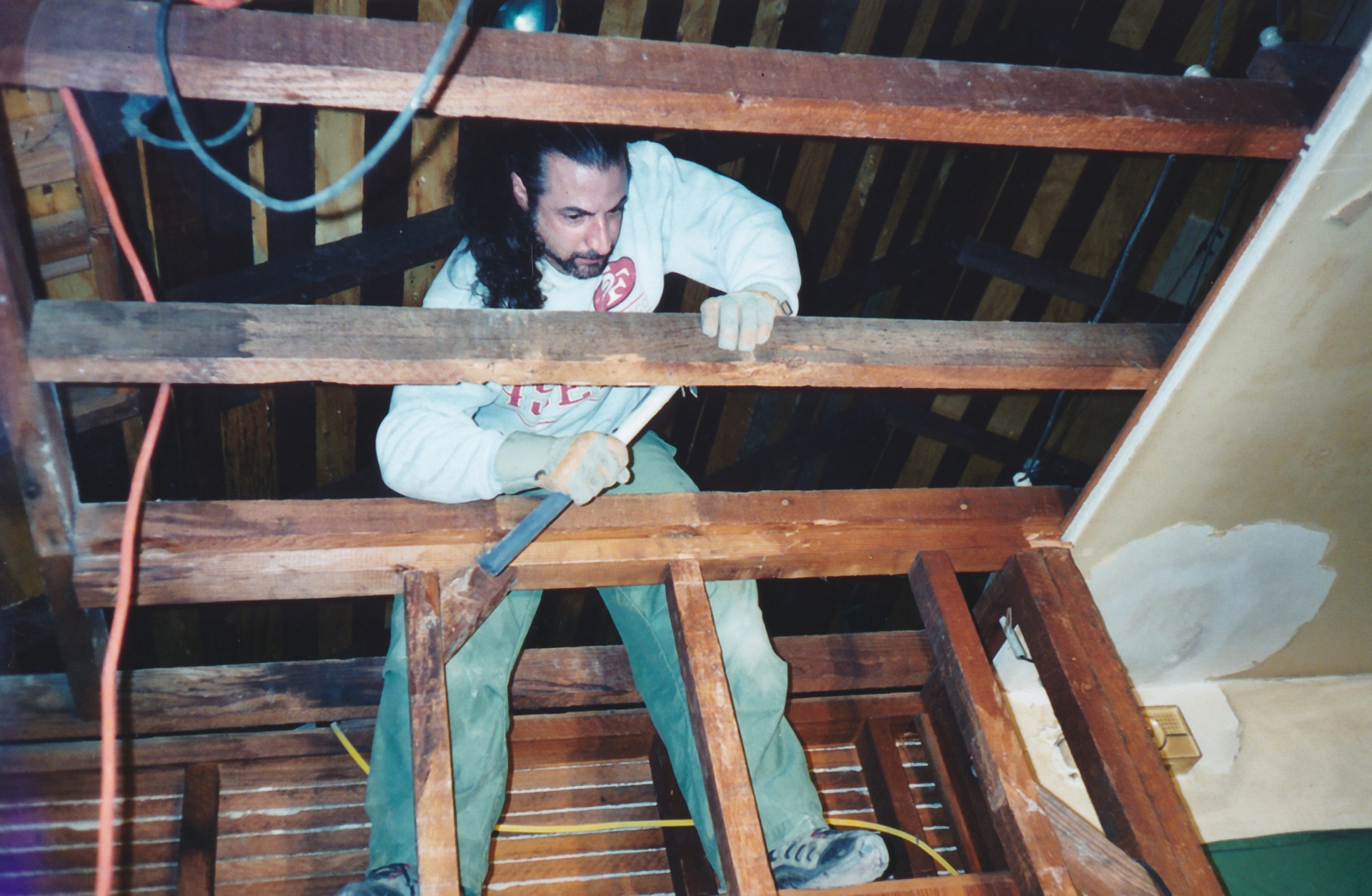
Before CAD. Before ZBrush. Before rapid prototyping. Just hands, tools, and a deadline.
Feature · Lowtech
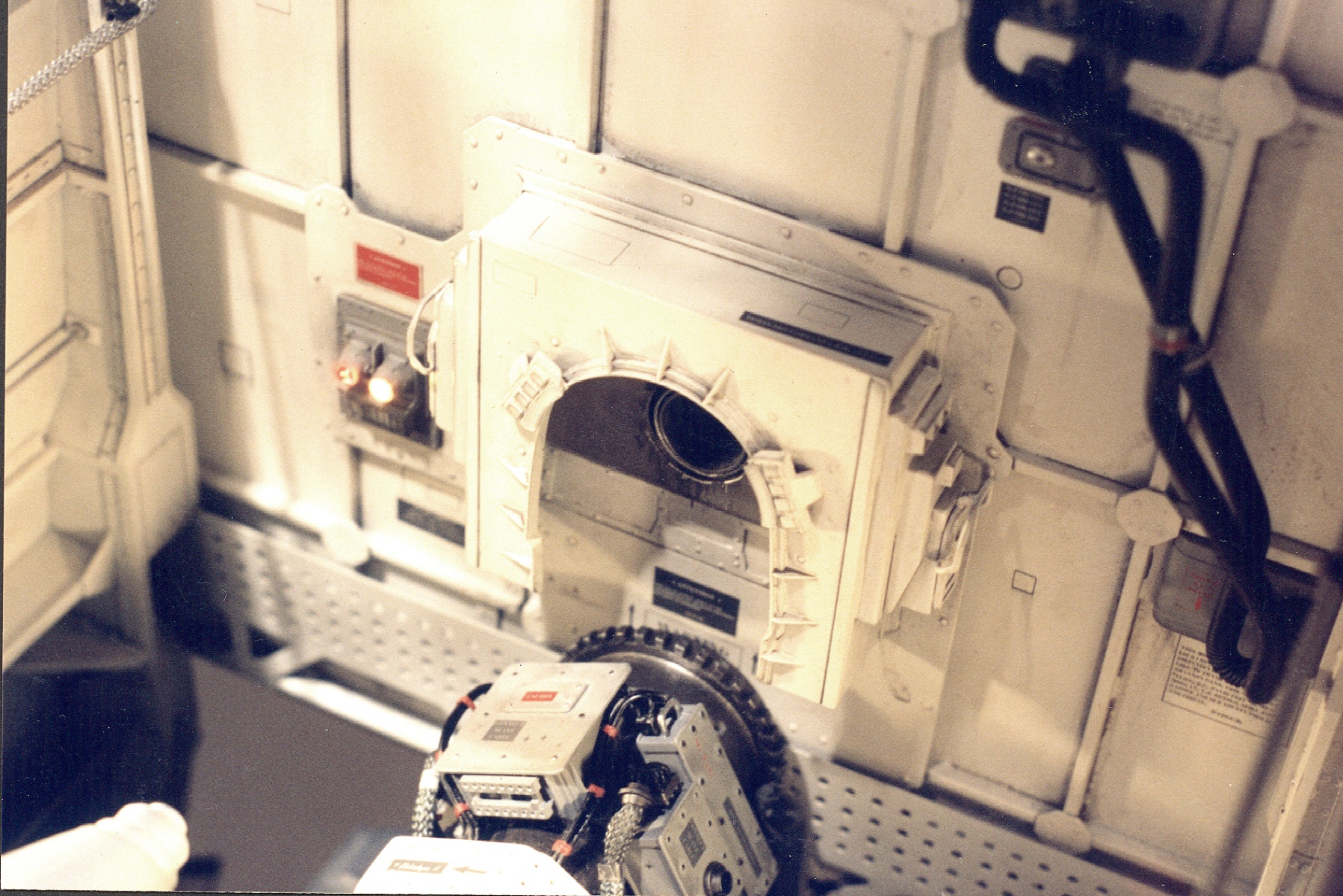
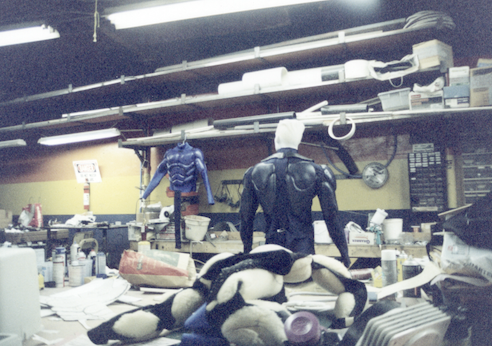
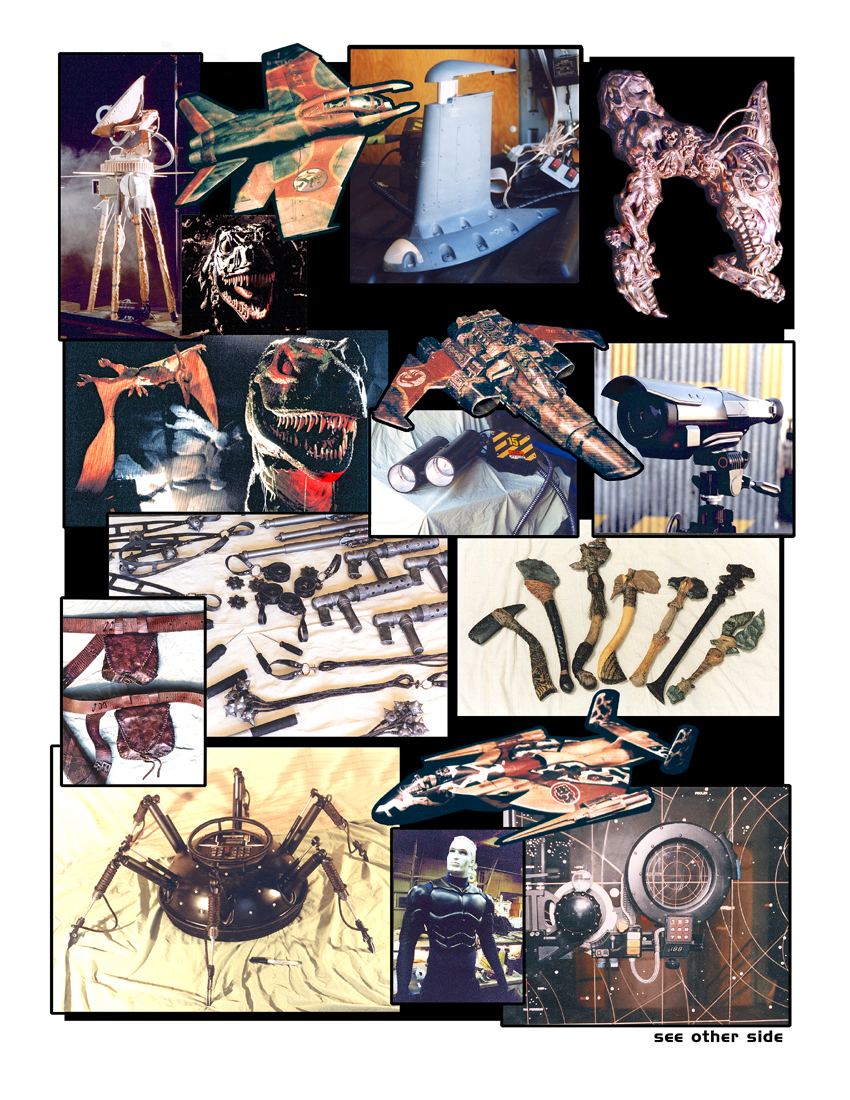
From 1993 to 2002, Lowtech ran out of an old Hughes Aircraft quonset hut — a building that once produced bomber tail sections — turning out the physical objects feature films and commercials still needed in front of the lens: hero props, hard-surface miniatures, prosthetics, weapons, vehicles, on-set rigs.
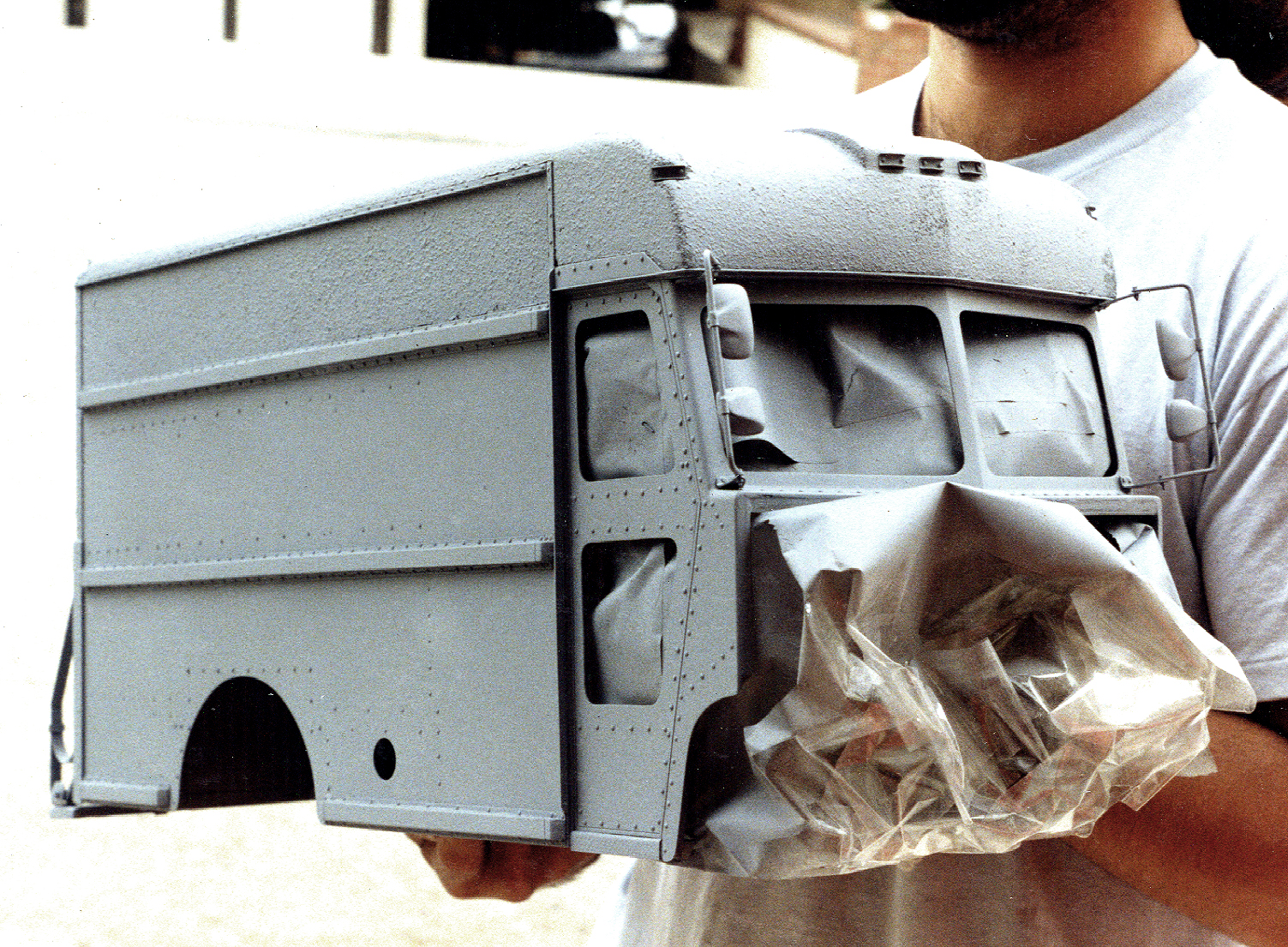
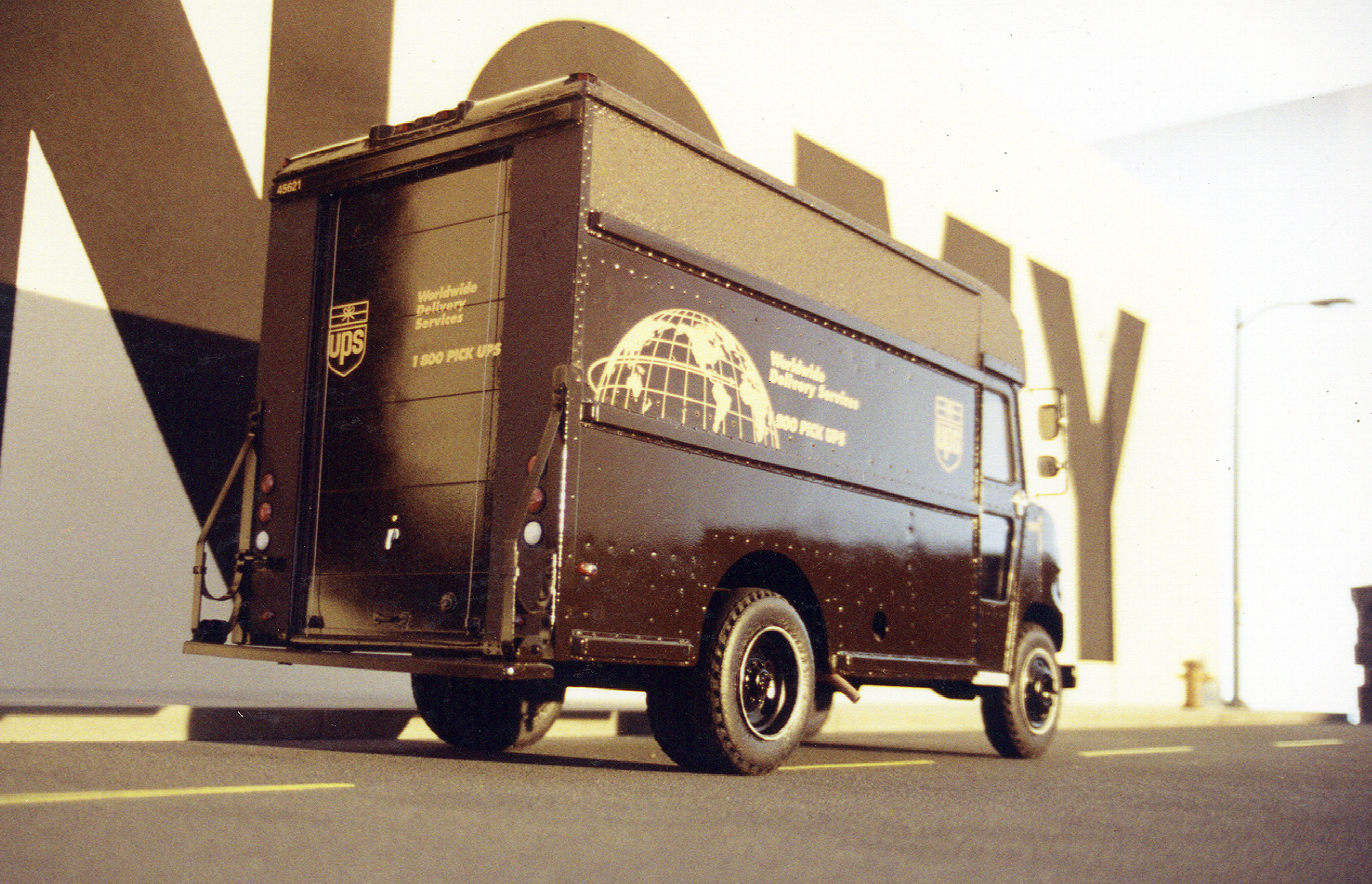
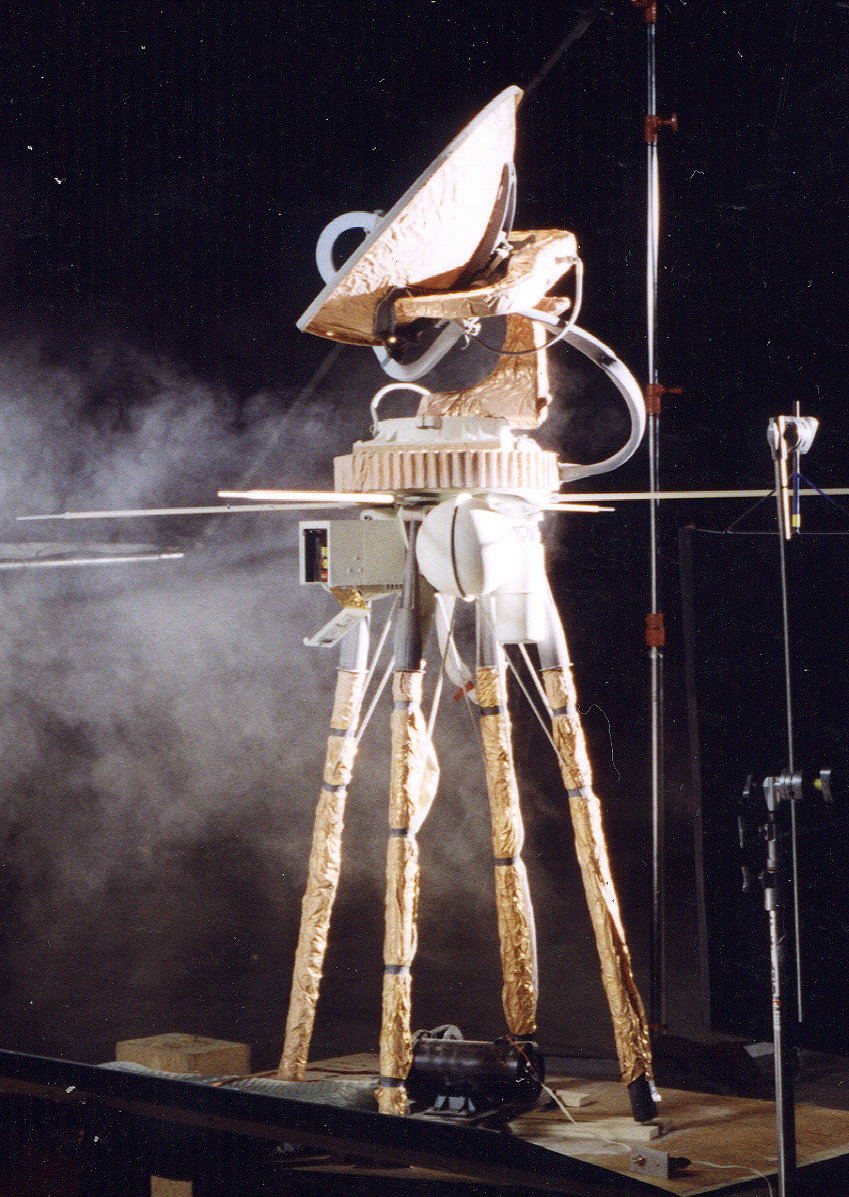
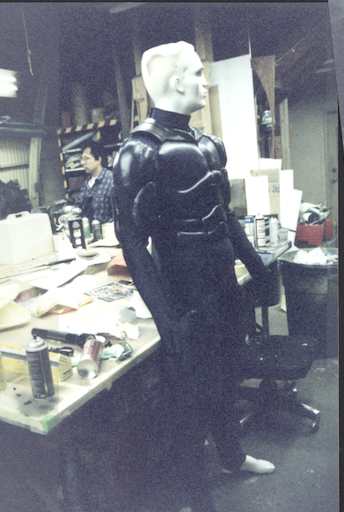
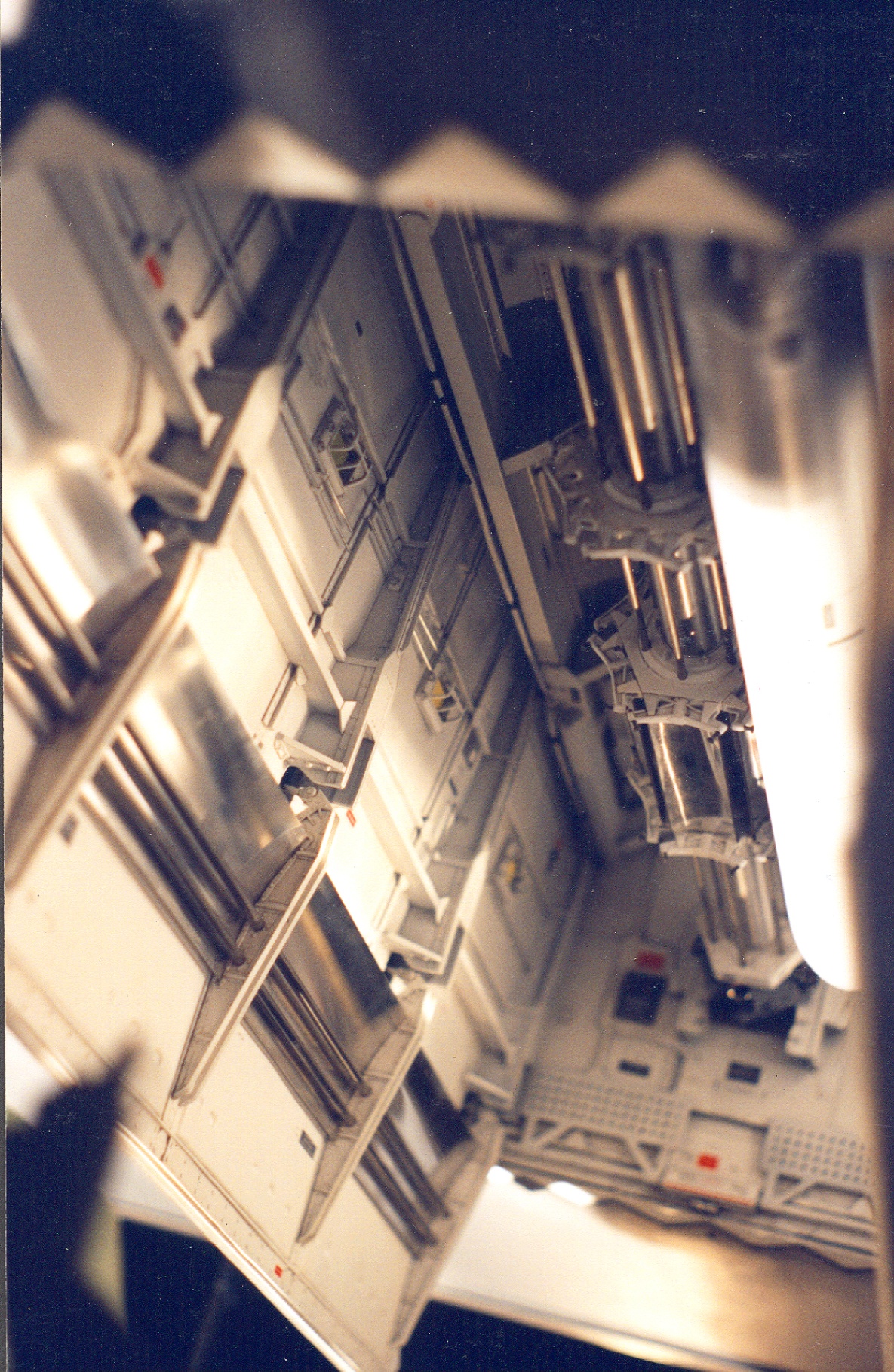
Adam ran the shop, led the crews, and personally fabricated the close-up pieces. The same building turned out the bomb-bay interior for John Woo's Broken Arrow, a foil-wrapped satellite for the cut opening sequence of Independence Day, hero suits for studio features, and weathered scale UPS trucks for broadcast spots.
Hughes Aircraft Quonset Hut · 1993 — 2002 · Owner, Designer, Fabricator
Artifact · Field Document
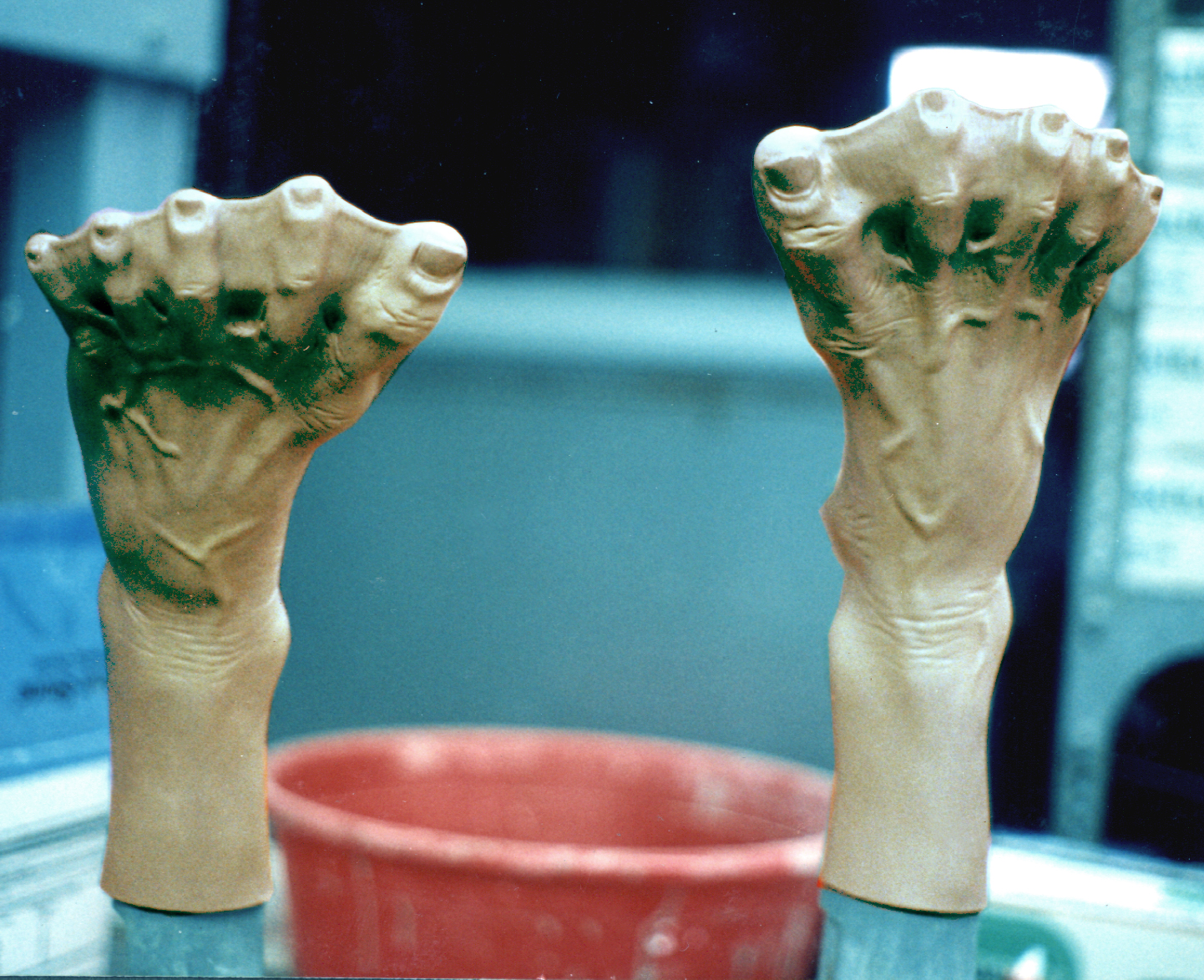
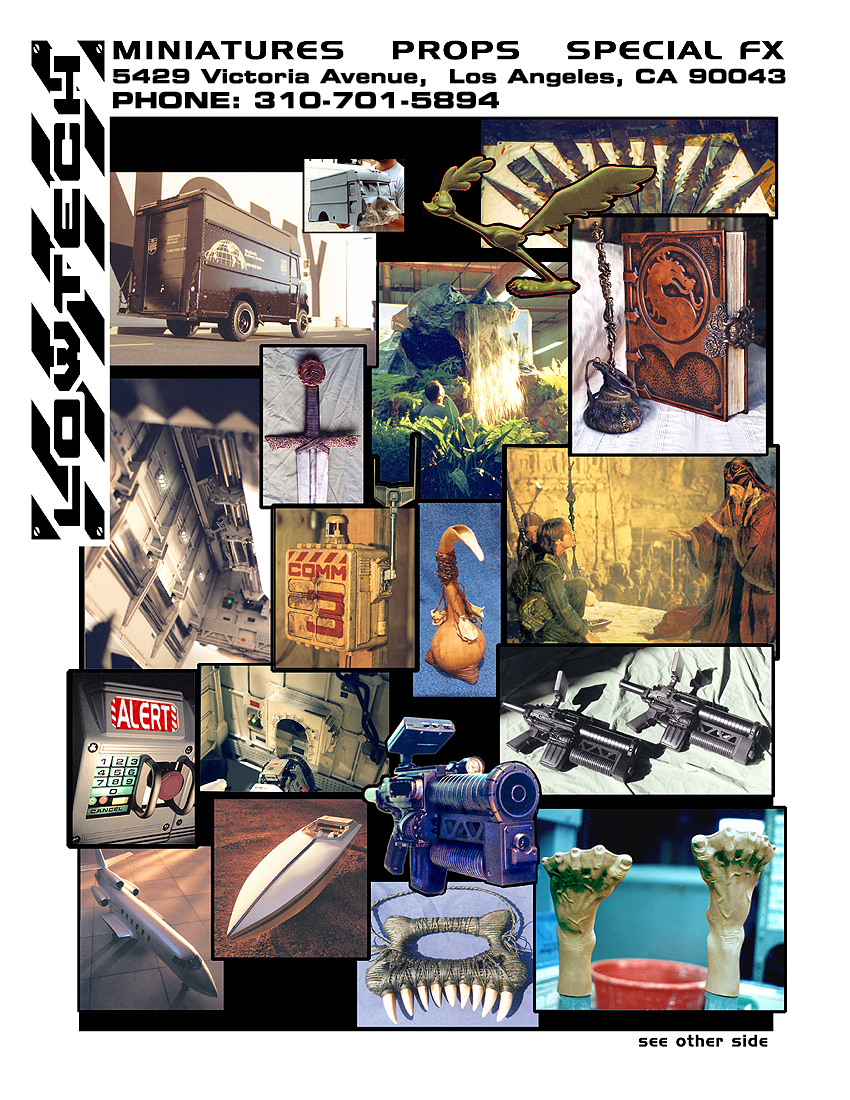
Lowtech's mid-1990s promotional sheet — front and back — catalogues a single decade of fabrication: UPS trucks, hero spellbooks, ceremonial blades, sci-fi consoles, creature prosthetics, weapons, miniatures, spacecraft, mythical relics. The same phone number on the masthead still rings through to Adam.
310 · 701 · 5894
BodyWorks Theater, California Science Center
Case Study · California Science Center
Most film props only need to survive until the director calls "cut."
Museum exhibits don't have that luxury.
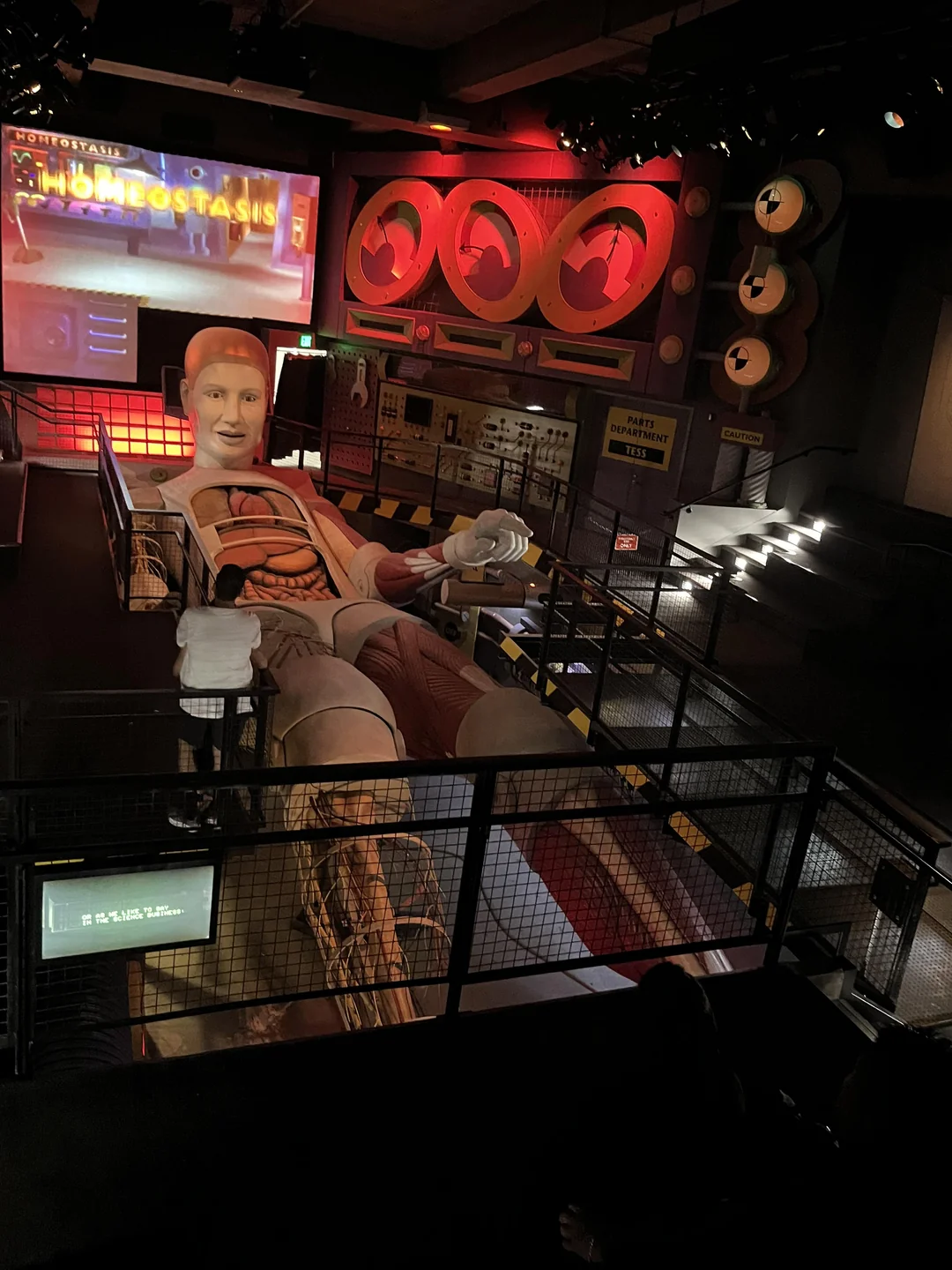
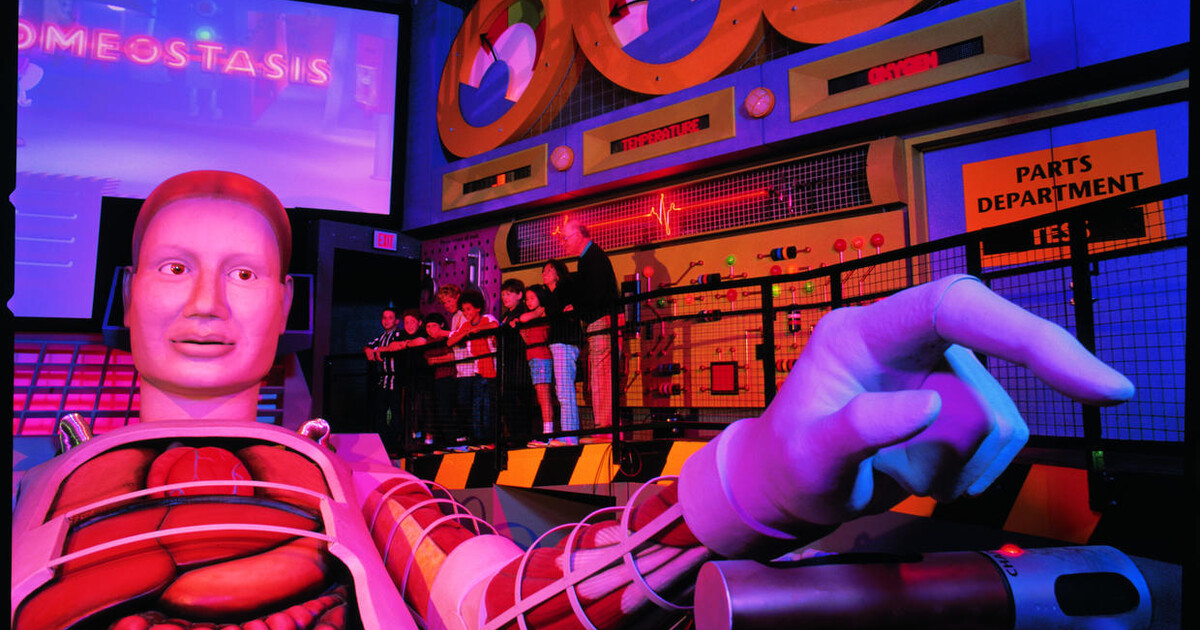
For the BodyWorks Theater at the California Science Center, Adam built and fabricated the architectural environment surrounding the sixty-foot anatomical figure — control panels, scenic elements, mechanical assemblies, and animated interactive components — creating an installation designed for decades of public interaction.
Every surface had to withstand years of visitors while remaining believable, accessible, and easy to maintain.
The challenge wasn't simply building something impressive. It was building something that could keep working long after opening day.
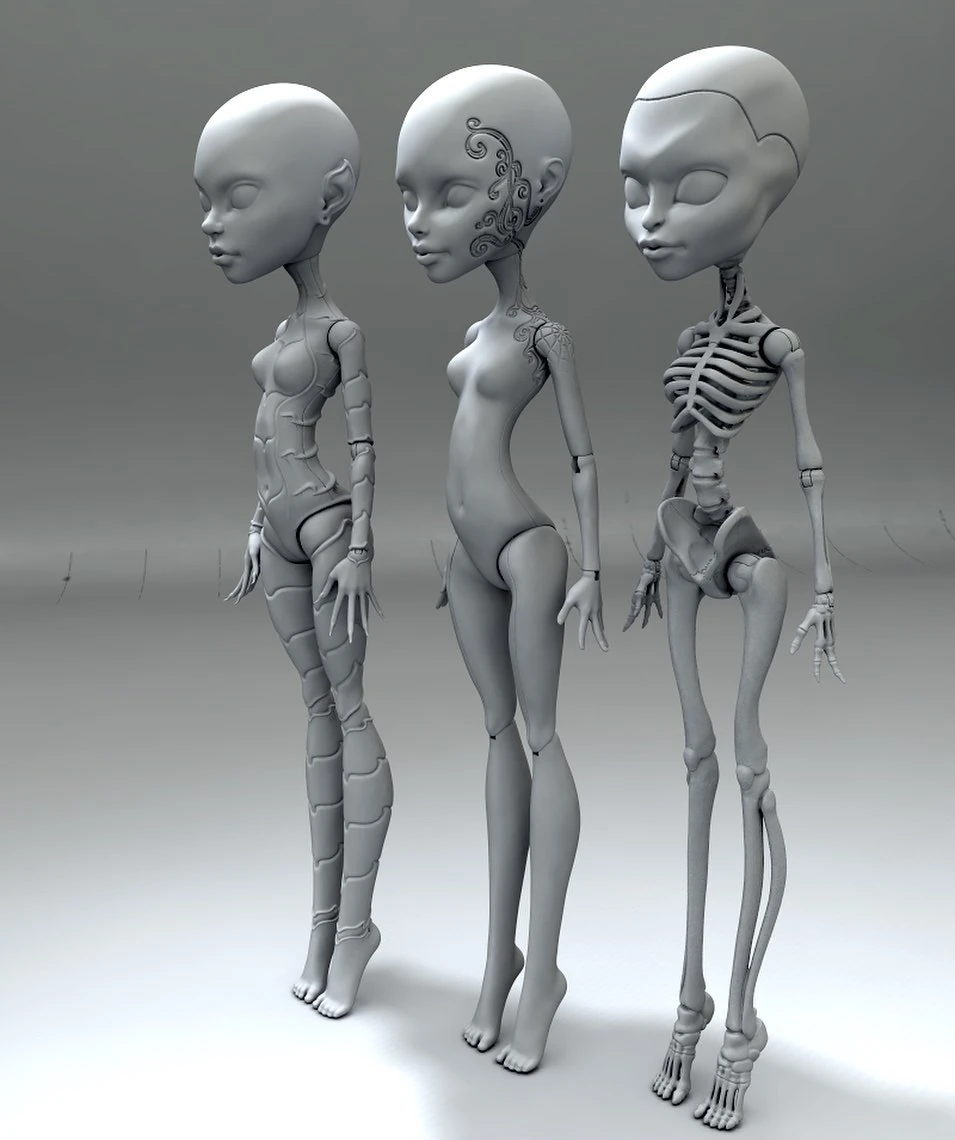
Articulation studies, digital sculpt
Case Study · Toy Design
A doll doesn't need lights or sound. It just needs to look good and move beautifully — and spark a child's imagination. Adam's work at Mattel spans both visible and invisible craft: expressive character sculpting above the surface, and the articulation systems beneath that make the illusion possible.
Three U.S. patents came out of re-engineering how a small, injection-molded figure could carry a silhouette through real movement — quietly, cheaply, repeatably — without breaking, binding, or losing the form the sculpt was designed around.
"The legendary space pirate artisan who translates 2D concepts into tangible 3D masterpieces."
Field Report · Skullector
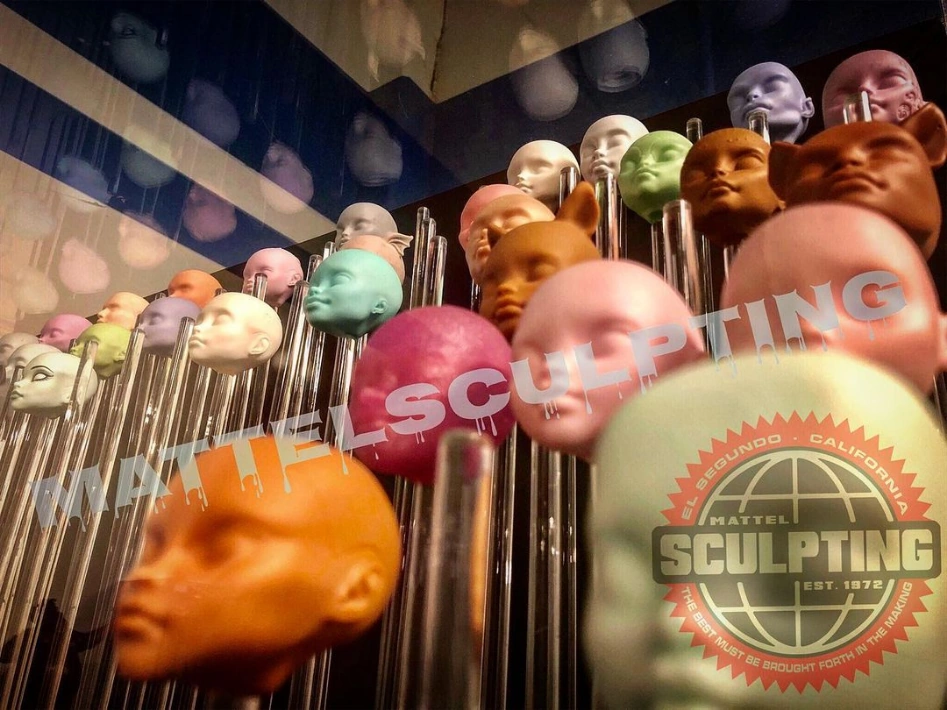
Mattel's Monster High line became one of Mattel's best-selling brands, and Adam pioneered the look of the entire line — sculpting nearly every head and body across almost 200 characters, some of which are pictured here. Skullector is a premium, limited-edition collector line of special collaborations with iconic media.
A partial ledger of how long it survives once the gate opens.
Highly anticipated Mattel Creations release — sold out in under two minutes, prompting widespread community frustration.
High-profile IP duo pack, heavily targeted by botting and scalping networks.
Triggered an emergency next-day preorder window after immediate stock depletion.
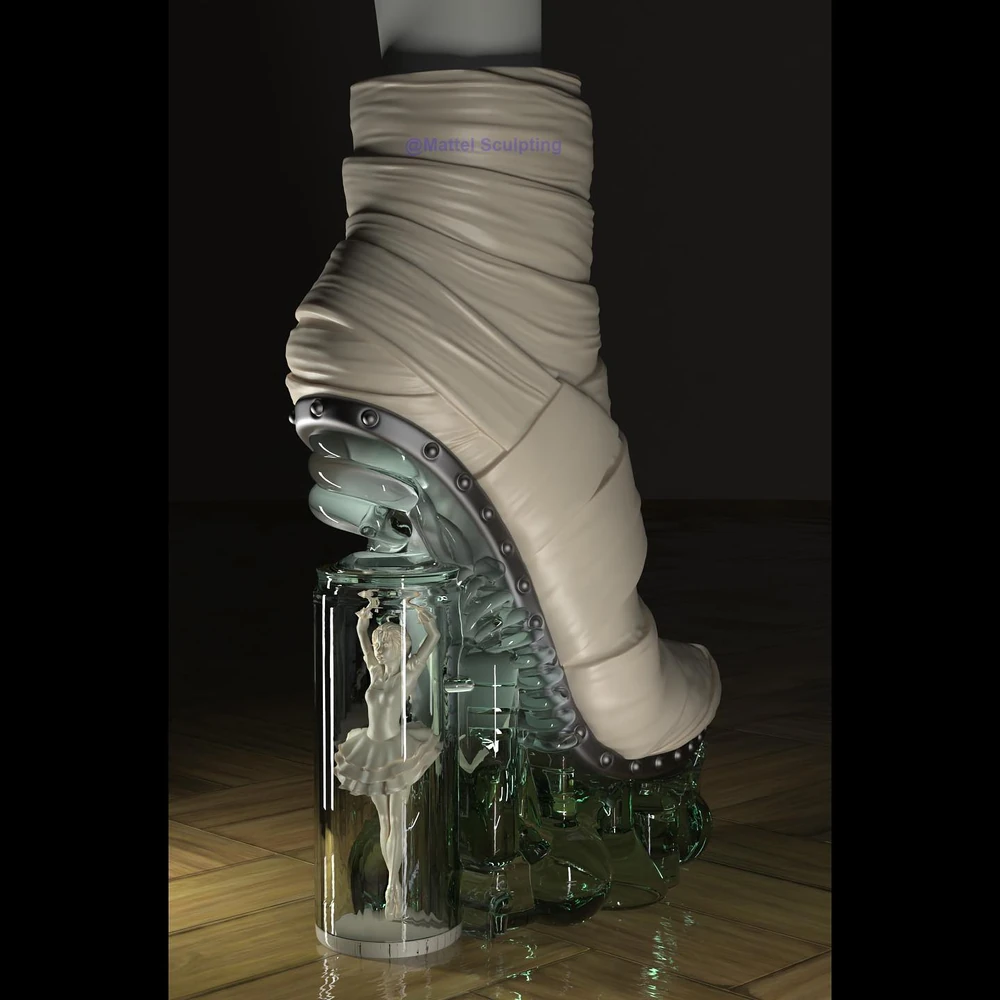
Signature Piece · Bride of Frankenstein
The transparent heel becomes a miniature laboratory inspired by Bride of Frankenstein. A tiny ballerina, beakers, and test tubes transform the shoe into a quiet homage to the 1935 film—an Easter egg for collectors that most people will never notice.
Sculpt · Render · Concept-to-prototype
Case Study · Toy Design
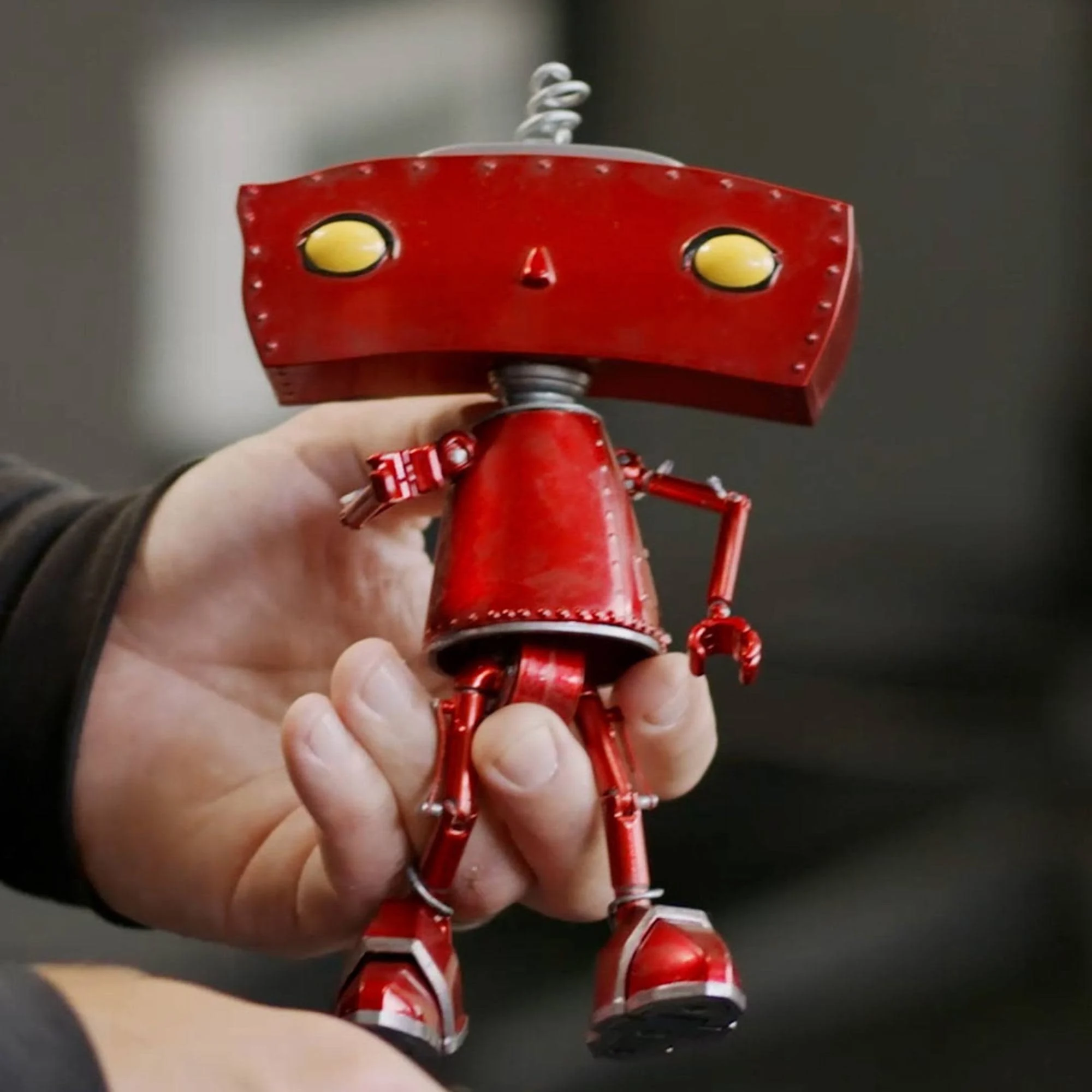
J.J. Abrams provided only a sketch, a brief conversation, and the familiar production logo at the end of his films. Everything else had to be imagined.
Adam designed the hyper posable figure inside and out — including a hidden magnetic compartment concealed within the head. Originally intended to house a digital chip that would unlock additional content, the seamless cavity remained even after the interactive feature was abandoned.
With no reference for what lived beneath the robot's shell, Adam created its entire internal world — from circuitry to a flawed "brain," reflecting the idea that Bad Robot wasn't mischievous. It was simply defective.
Concept · Sculpt · Engineering · Internal mechanism
Spread · Scale
The size of the problem never mattered.
Whether it's a three-inch toy or a sixty-foot anatomy theater, the work begins the same way: Understand the problem. Build the solution. Build it to last.
BodyWorks Theater — California Science Center.
§ III — Selected Credits
Work spanning thirty-six years of practical effects, fabrication, museums, broadcast advertising, worldwide print ads, and collectible products.
Feature Films
Commercials
Annotation · Daewoo · U.S. Launch
The campaign was titled Imagination. A boy watches the city outside the family car transform into fantasy — a skyscraper peels away from the skyline and hurtles toward them like a missile.
Adam fabricated the ten-foot hero building and three identical breakaway versions. Each was attached to an elaborate 100-foot cable rig at nearly twice the speed of the moving car before detonating on impact — a practical effect captured entirely in camera.
Pyrotechnics were supervised by Joe Viskocil, whose credits include the original Star Wars.
Worldwide Print Ads
Museums
Toy Design
§ IV — Curriculum Vitae
2000 — Present
El Segundo, CA
Staff Sculptor
1993 — 2002
Culver City, CA
Owner · Designer · Fabricator
1991 — 1993
Los Angeles, CA
Asst. Special Effects Coordinator
1988 — 1991
Los Angeles, CA
Model Maker · Creature Sculptor
§ V — Capabilities
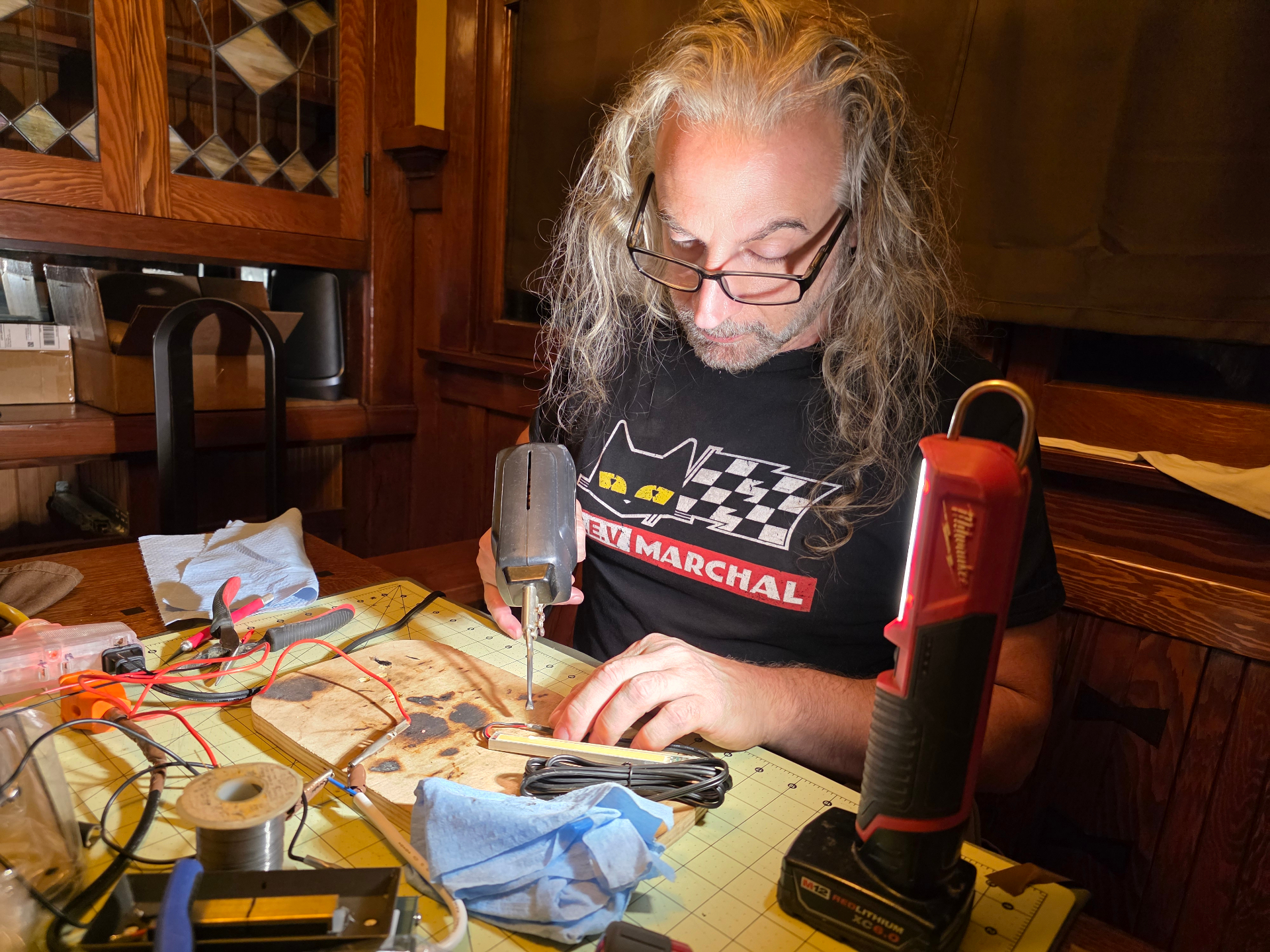
The tools have changed over thirty-six years — from band saws to CAD to digital sculpting — but the work has not.
Coda
“The best is brought forth in the making.”
§ VI — Correspondence